

Connect Allied Health
Allied Health Professionals Supporting Your Journey to Well-being

We Can Come To You,
Or You Can Visit A Clinic

Multidisciplinary team supporting people across the lifespan

Strengths Based, Neurodiversity
Affirming & Client Centred
Supports

NDIS Registered
Connect Allied Health
Services For Adult


Allied Health Professionals Supporting Your Journey to Well-being
At Connect Allied Health, we treat the whole person, not just the condition. From mobility challenges to developmental delays, we provide tailored interventions designed around your unique goals. Whether at home, school, in an early learning centre, residential aged care facility, or our clinics in Norwood, Modbury, or Berri, our allied health professionals meet you where you are. As an NDIS-registered provider, we provide assistance to ensure you’re fully supported in every step of the way.
Connect Allied Health
HOLISTIC APPROACH CLIENT-CENTRIC TAILORED INTERVENTIONS
Services can take place in various locations, such as your home, school, early learning centre, Residential Aged Care Facility, or one of our clinics in Norwood, Modbury, or Berri.
Connect Allied Health is a registered provider of the National Disability Insurance Scheme (NDIS).

Allied Health Assistance Tailored to Your Individual Needs
Why Join Our Team?
- Develop and diversify your skills in your areas of passion within a supportive multidisciplinary team.
- Ongoing fortnightly mentoring for the duration of our career at Connect Allied. Grads receive additional mentoring and supervision on top.
- Your allied health professional development budget.
- Your dedicated therapy coordinator handles all bookings, onboarding, and scheduling.
- Recognise and reward programs.
- Regular team building events.
- Access to clinical managers, senior clinicians and clinical mentors.
- Career progression opportunities!
- Set your hours.
- Work-life balance initiatives.
- Neurodiversity affirming and strengths-based approach.
Connect Allied Health
Join our team

Time to Go healthcare Team
Time to Go healthcare Team
Hear What Our Team Have to Say
CAH management - thank you for your continuing love and admiration to see this company blossom to its fullest potential. Thank you for listening to what we have to say and creating such a beautiful, wonderful and incredible work place!
Thanks to Sarah Tilley and the management team, I now have the opportunity to work in a profession that I was seriously considering leaving. My love for my profession has been renewed by Connect Allied Health, clinicians, staff, participants, and families.
Connect Allied Health value all of their employees and individuals and therefore tailor each role to the individual person. There is an amazing culture which promotes positivity and empowering of all their employees. It has a fantastic work/life balance culture also.
CAH employ therapy coordinators who work with clinicians to set their preferred schedule. Our amazing therapy coordinators work hard to mitigate travel and manage all of the NDIS documentation, so clinicians can focus on what matters most - the clients! CAH have a truly incredible team and I am proud to be a part of it.
I have a long working history and I can say CAH is the best place I have ever worked. This has to do with the fact that staff are respected by management and their hard work and skills are acknowledged. CAH also has an amazing mix of staff that all fit well together. A fantastic place to work. Management truly cares about their staff.
Connect Allied Health
Our Process

Contact/visit us

Initial discussion

Commence on-board process

Determine clinical team

Set goals

Schedule
Connect Allied Health
Learn More



Connect Allied Health
UPDATES
Connect Allied Health
Contact us about your preferred appointment type today!
Frequently Asked Questions
Behind every great result is a helping hand. Allied health assistants are healthcare staff who work alongside allied health professionals like occupational therapists and physiotherapists. Practical skills, patient care. Simple yet essential.
Connect Allied Health provides allied health services such as Speech Pathology, Occupational Therapy, and Physiotherapy to help improve communication, daily living skills, and physical function. We also specialise in Positive Behavior Support, Developmental Education, and Autism Diagnostic Assessments, providing tailored support for individuals with developmental or behavioural challenges. Additionally, we offer podiatry services, psychology and other assessments, and functional capacity assessments to ensure holistic care and thorough evaluations of your health and well-being.
Yes, we proudly support participants of the National Disability Insurance Scheme and provide individual allied health services tailored to each patient’s needs. From NDIS support to residential aged care facilities, we’re here to help you move forward step by step. Contact us to discuss your plan and how we can assist.
Nurses treat illnesses. We train, guide, and assist allied health professionals who focus on mobility, mental health, and functionality. Allied health services like Connect Allied support recovery through occupational therapy, physiotherapy, and more. It’s teamwork: Nurses focus on acute care, while allied health assistants focus on long-term support. Nurses and medical practitioners save lives. We enhance them.
Yes, Medicare in Australia subsidises some allied health services like optometry, although not all. Also, there’s a process. You need a referral form from your medical practitioner. Medicare covers eligible services under programs like EPC for chronic disease management.
We have a Complaints and Feedback Policy because everyone has the right to give feedback and make a complaint.
Connect Allied Health view feedback and complaints as an opportunity to maintain and enhance participant satisfaction and to facilitate continuous improvement throughout the organisation.
We have a Complaints and Feedback Policy because everyone has the right to give feedback and make a complaint.
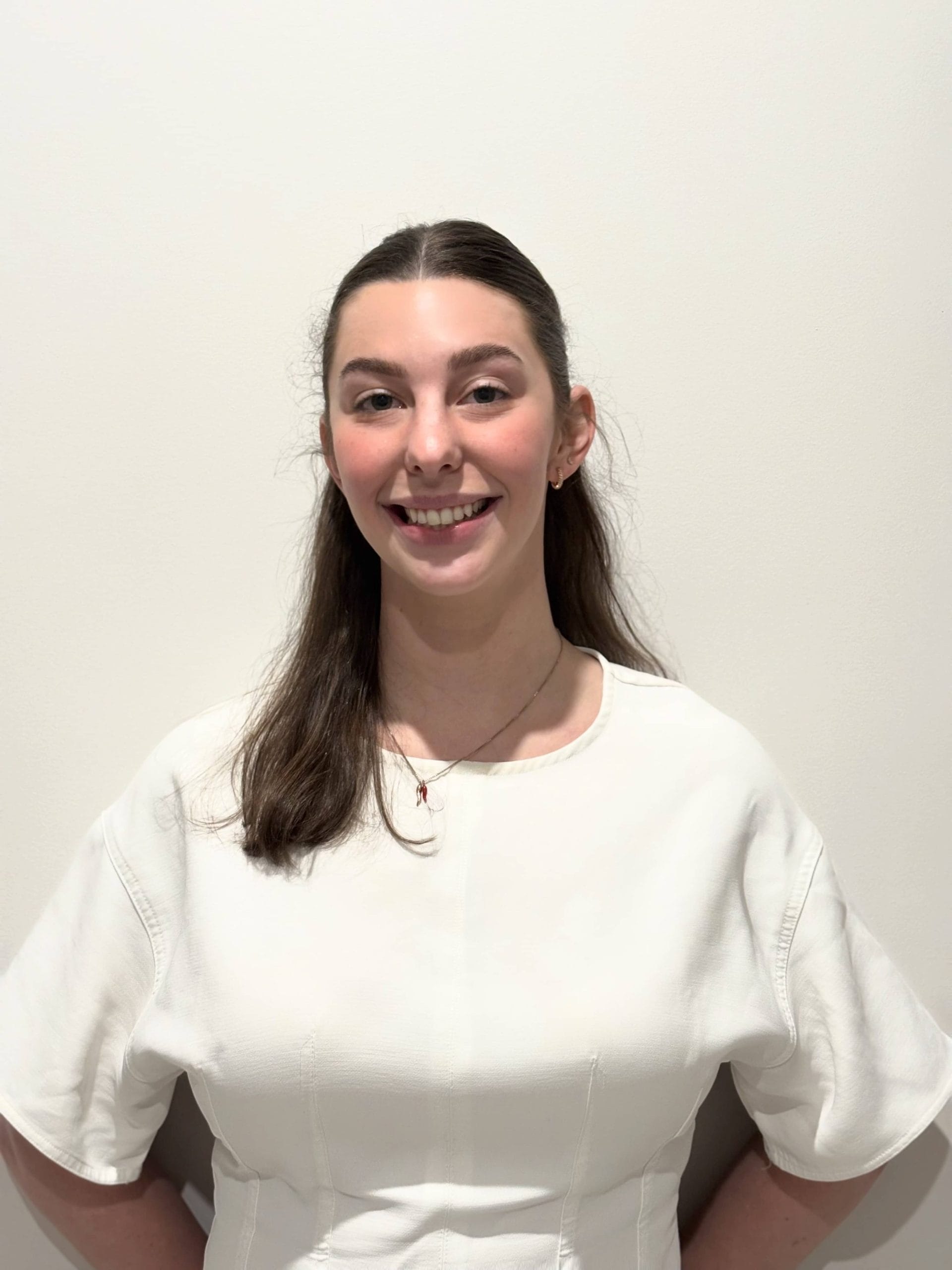


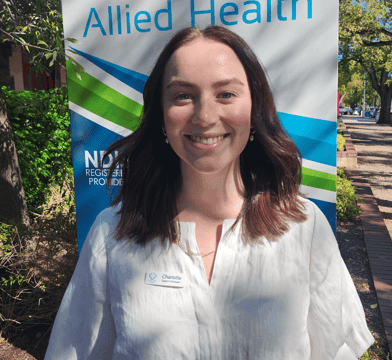
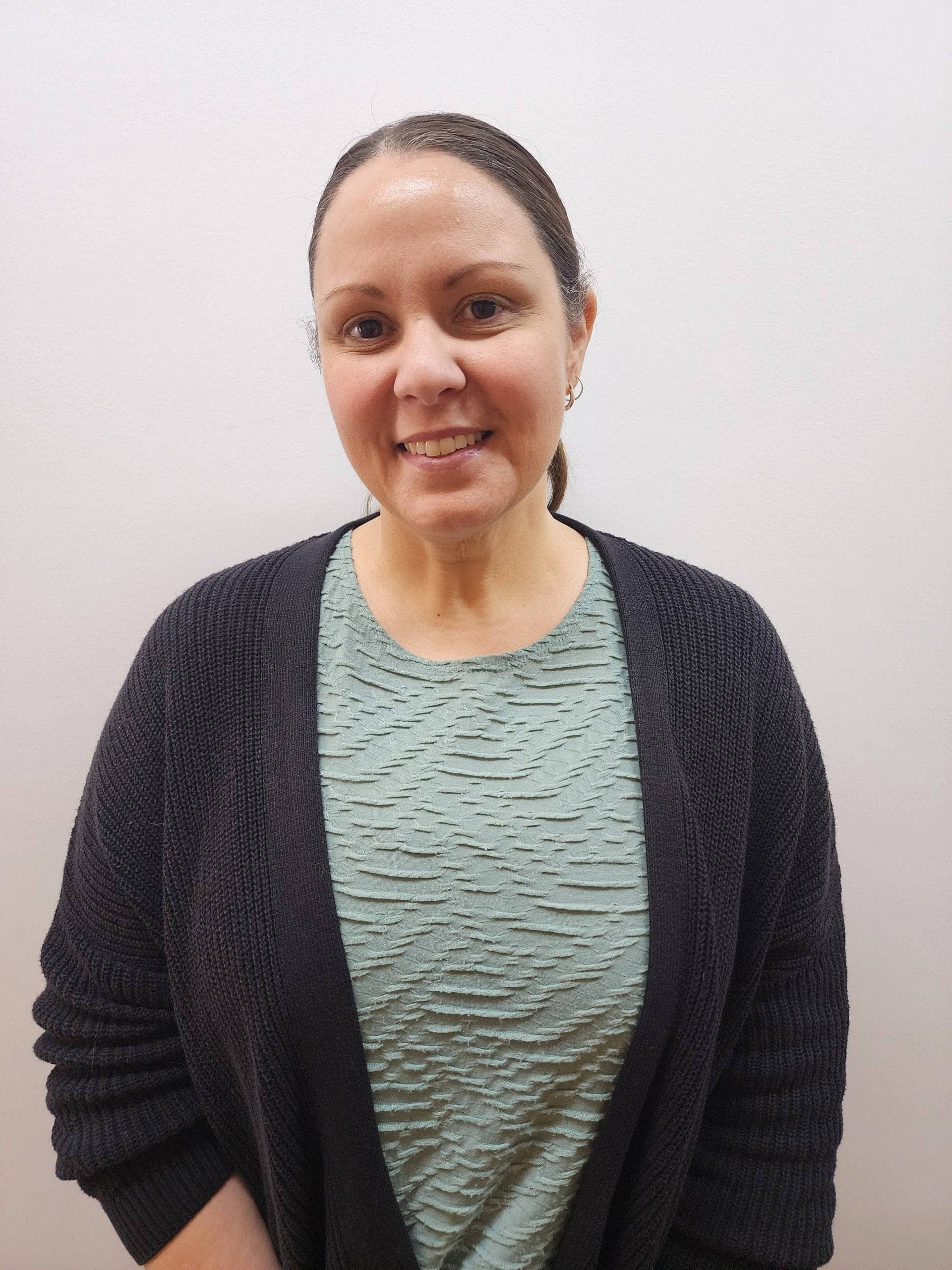
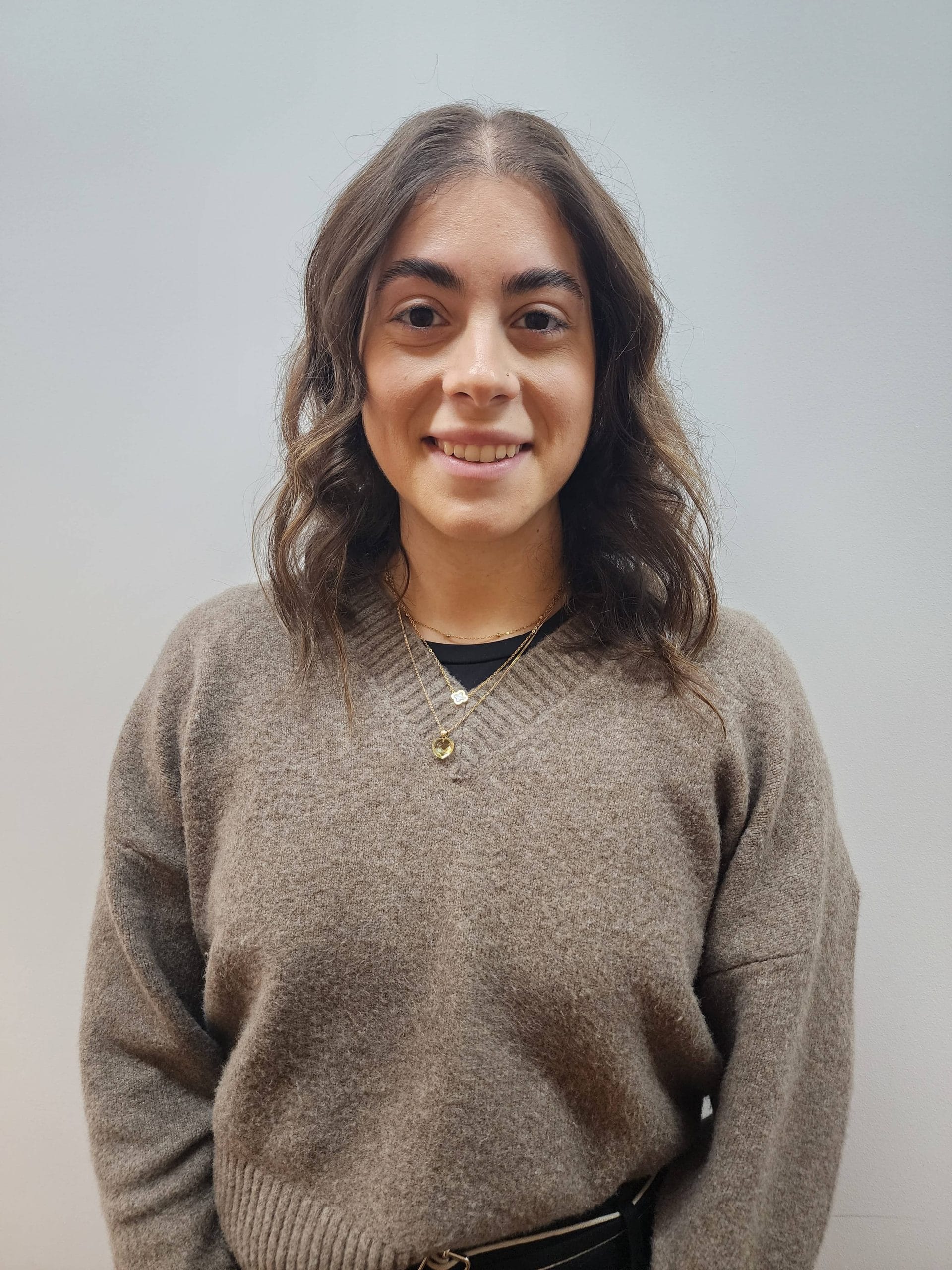
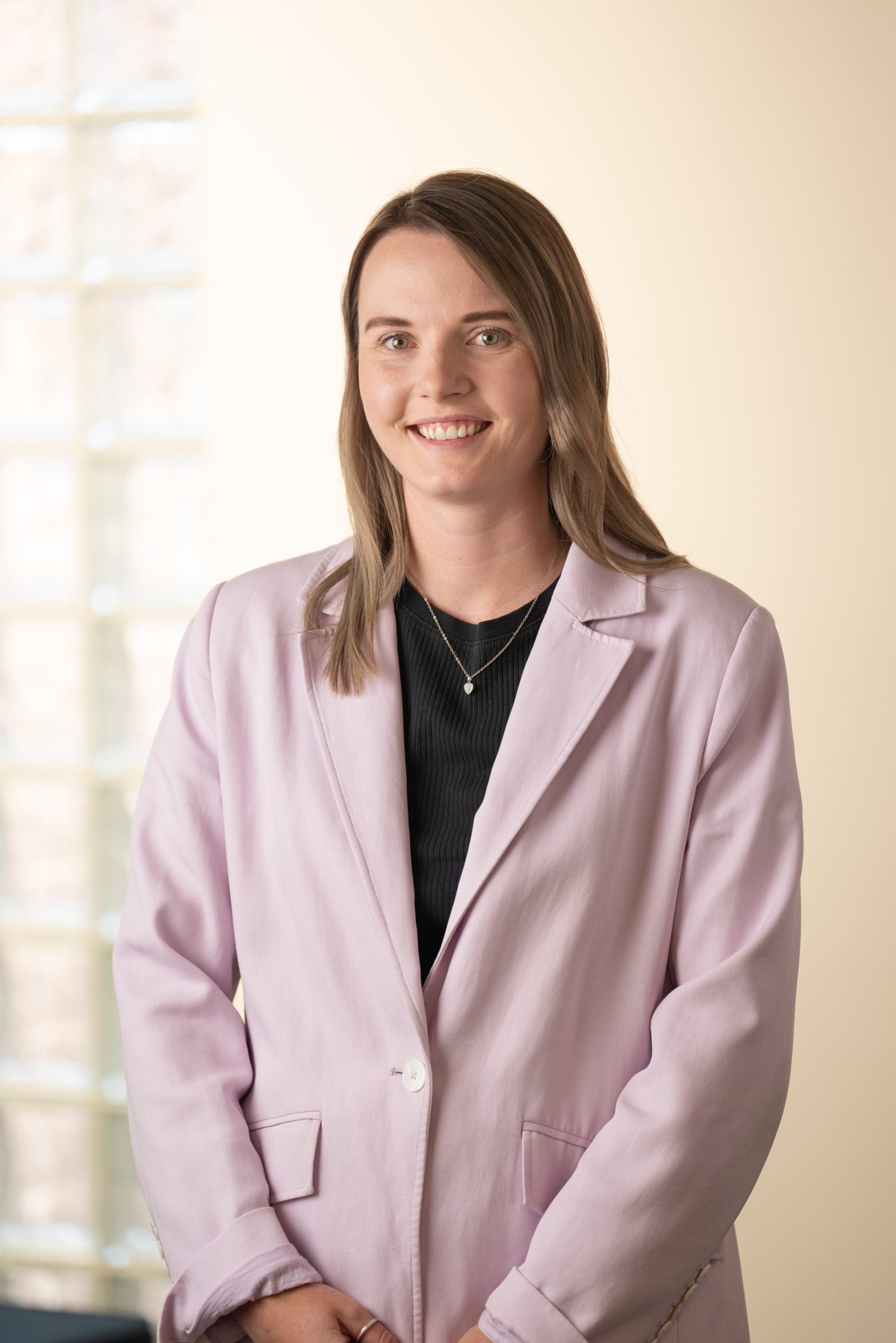
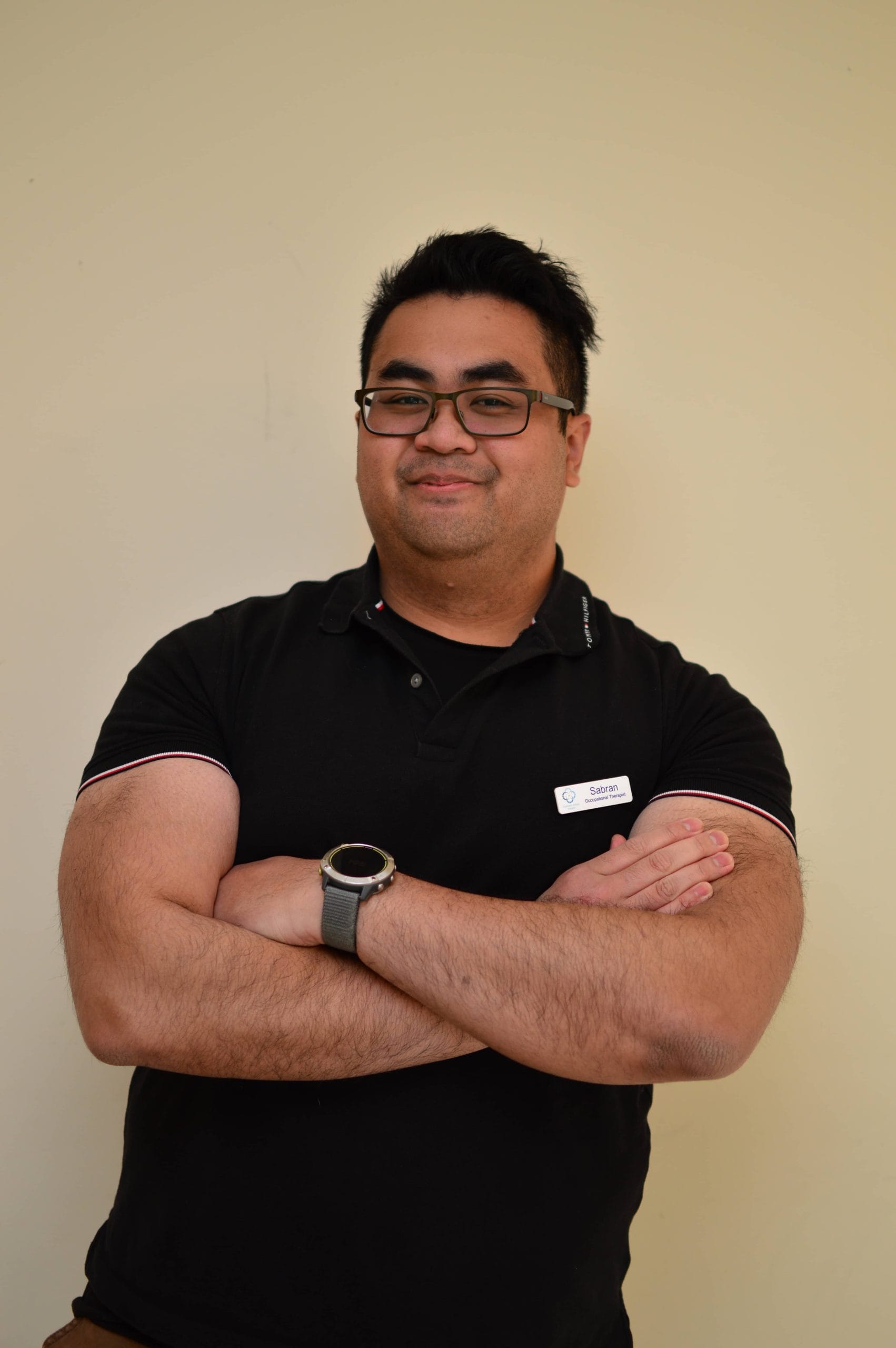


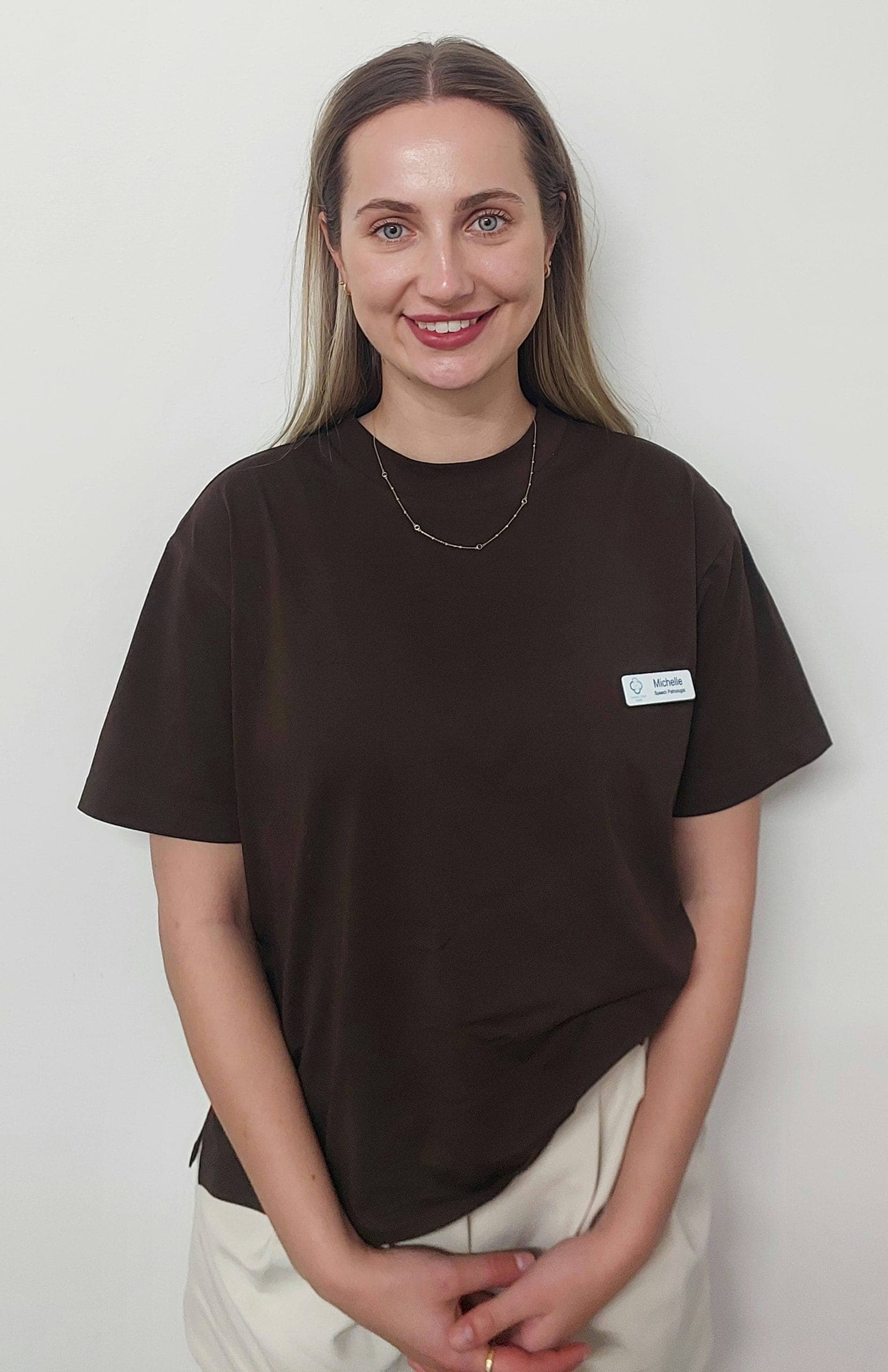
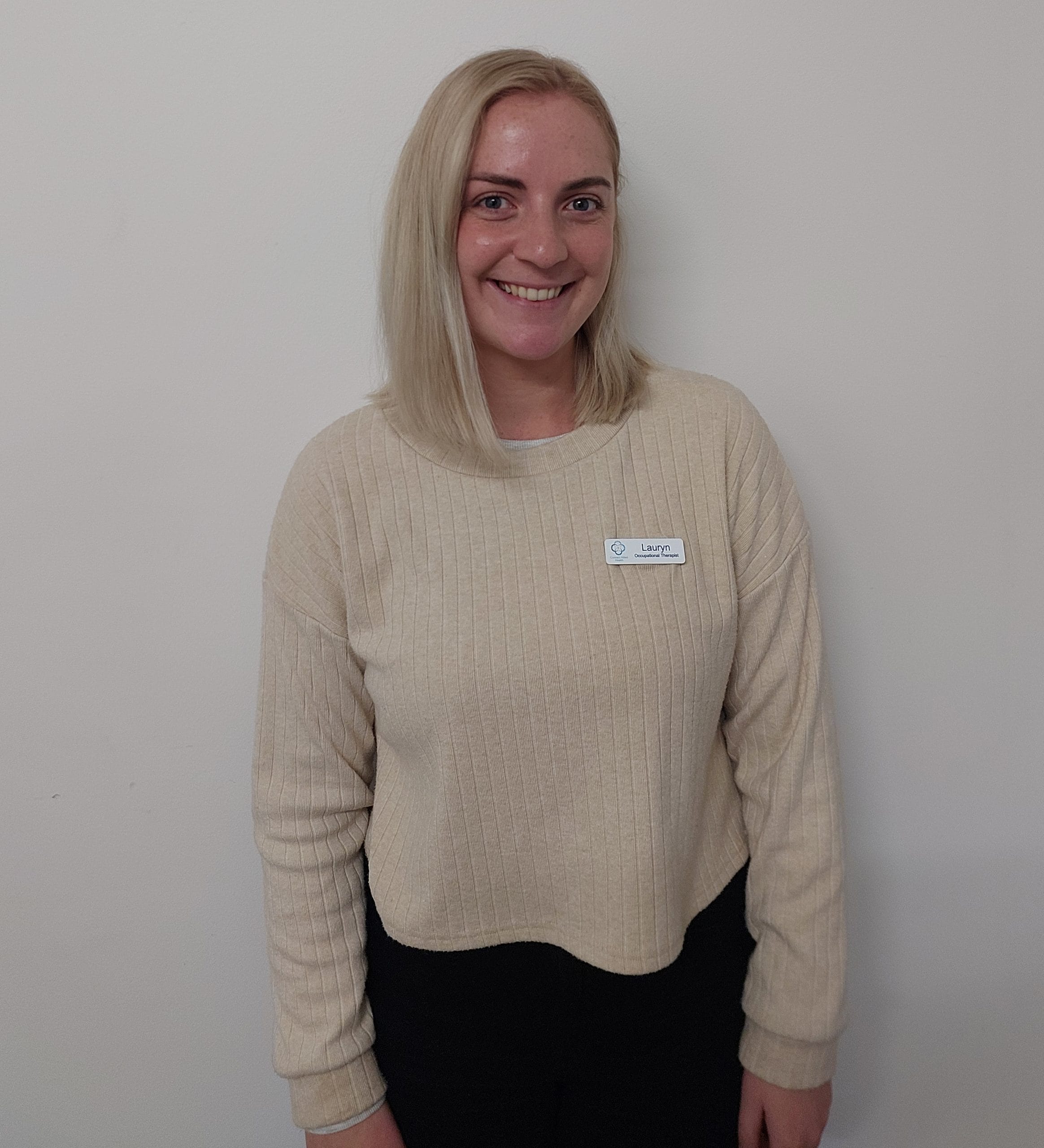
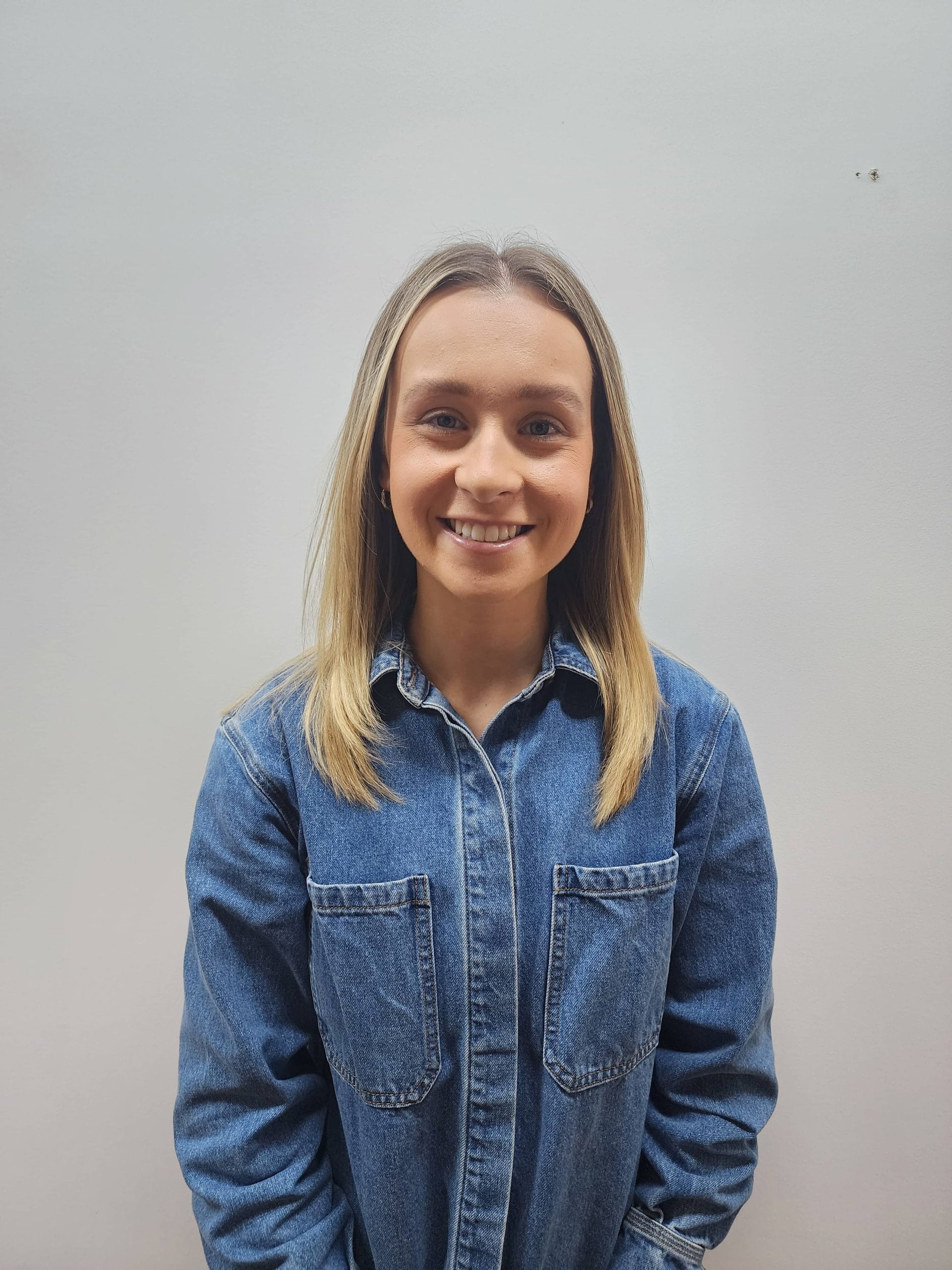

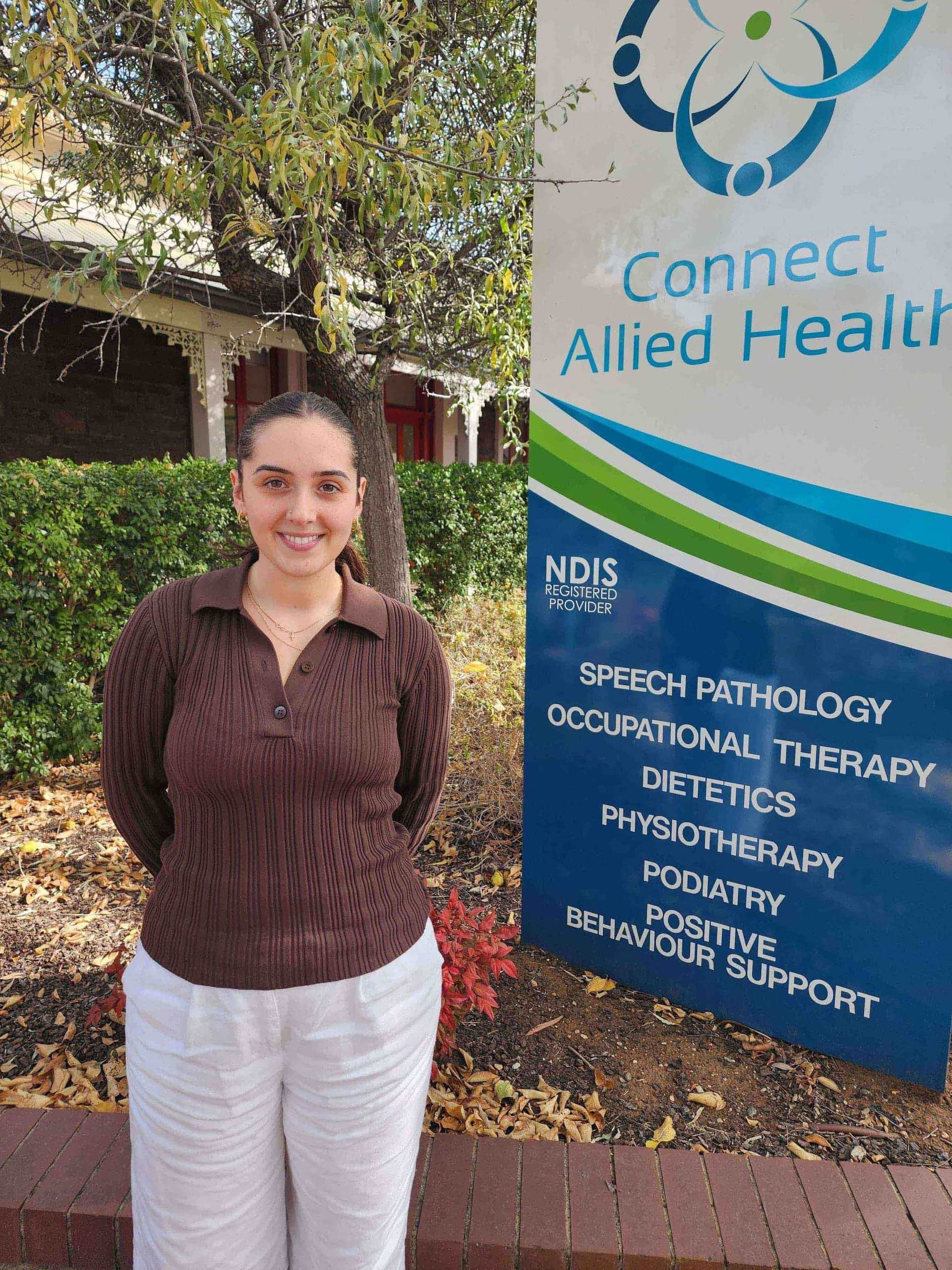


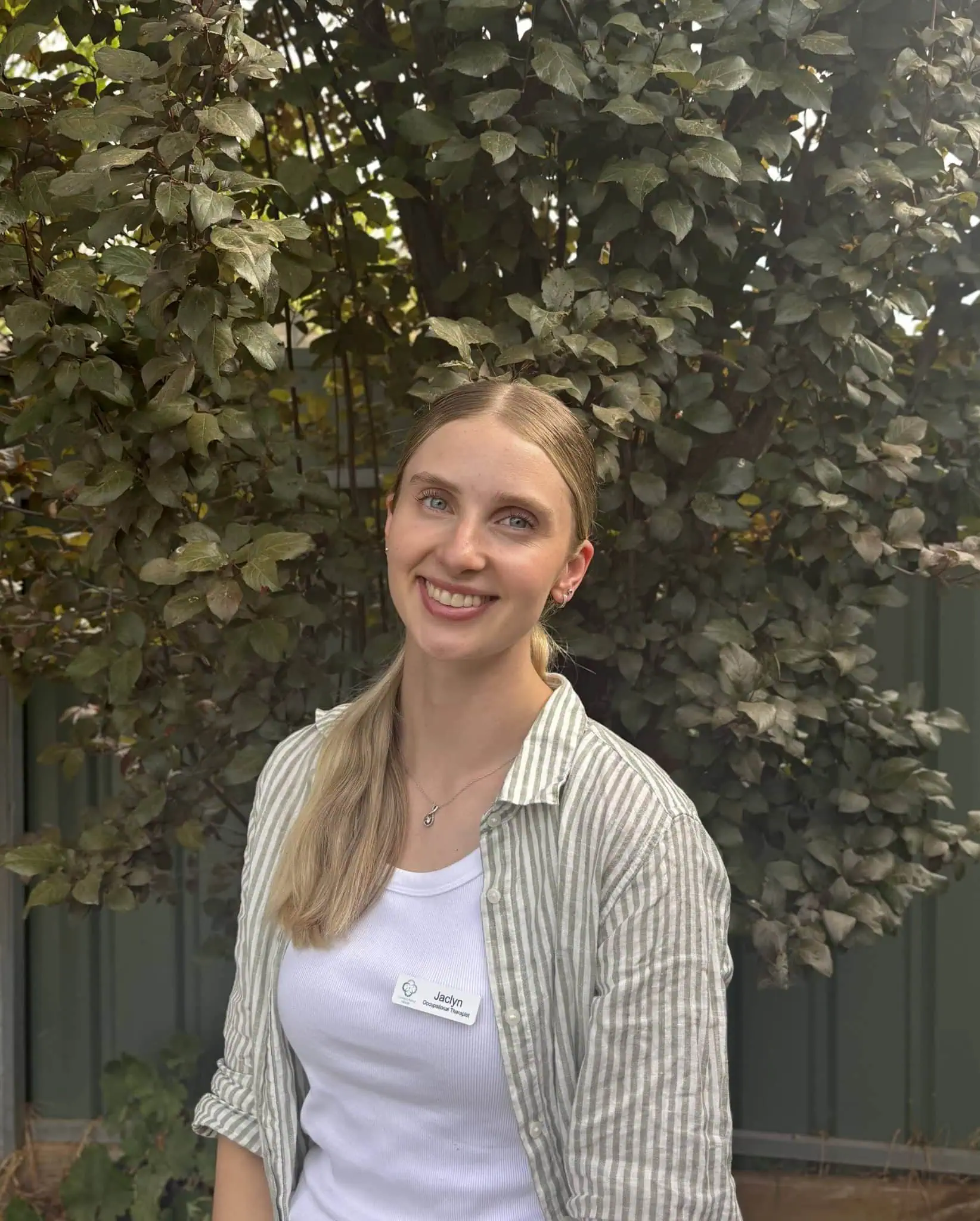
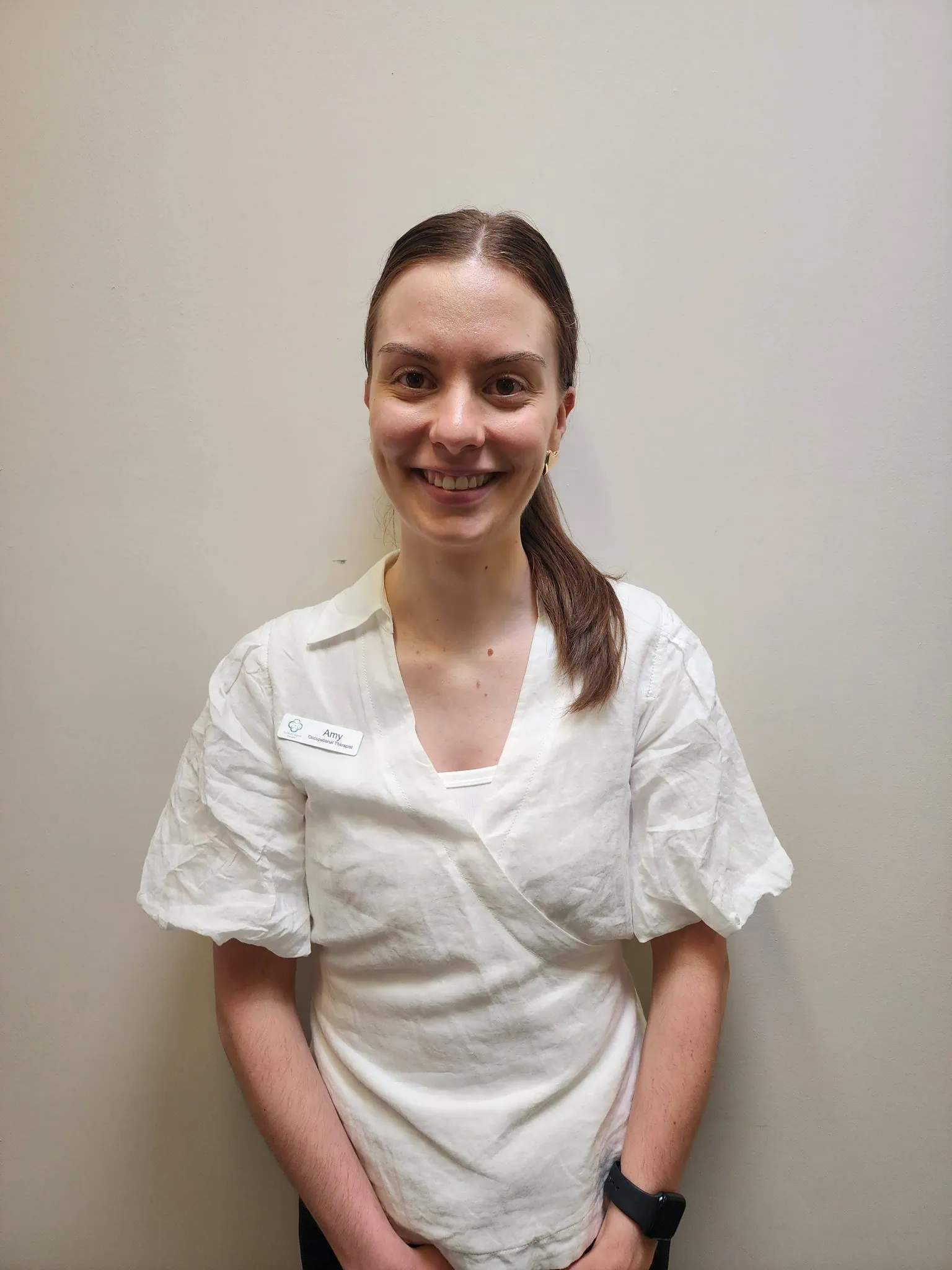


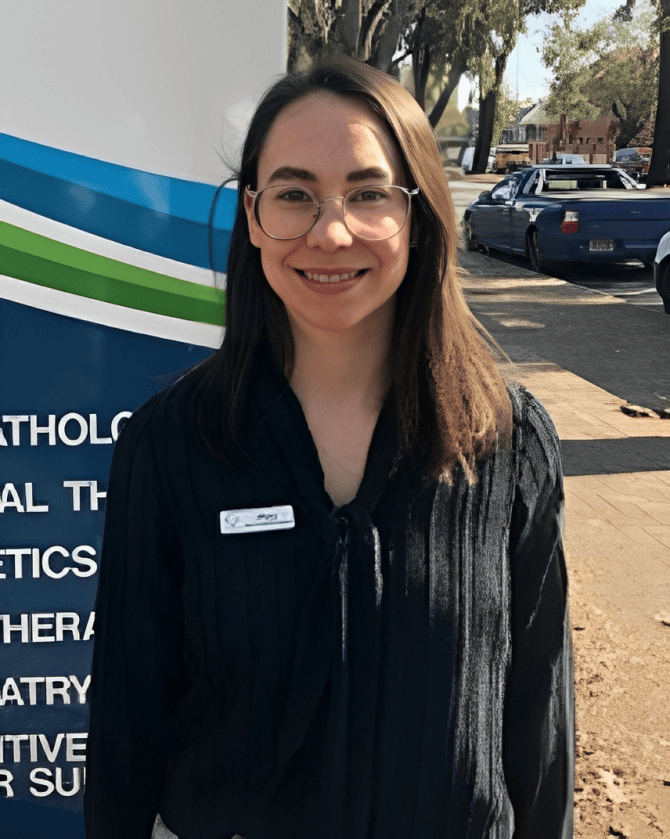





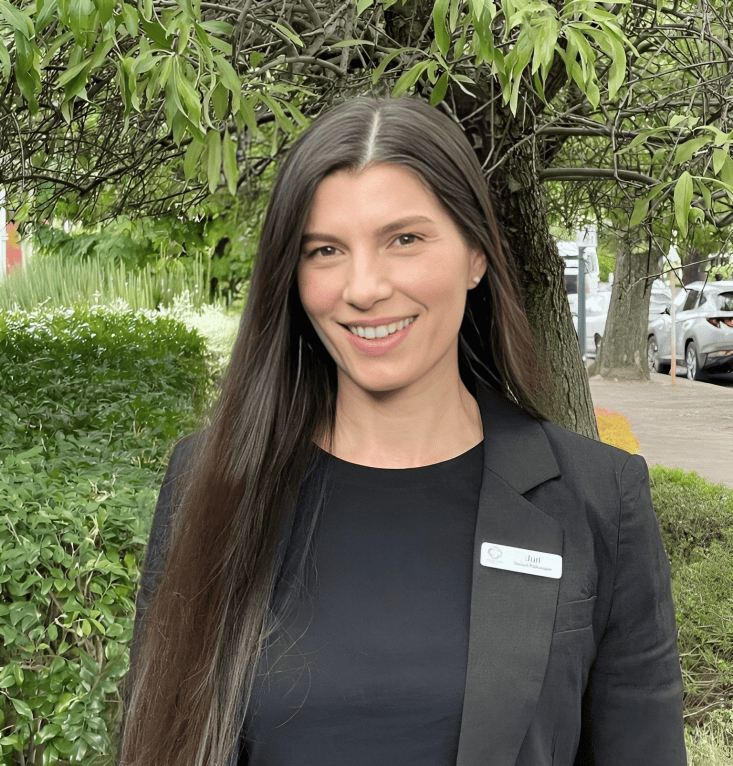




Today we celebrate the incredible women who nurture, guide and support us every day 💐
To every mum, grandmother, step-mum, foster mum, kinship carer, mother figure, mums-to-be, and those holding memories of a mum close to their heart - today is for you. Thank you for the love, strength and care you give so generously 💛
Wishing you all a beautiful Mother’s Day filled with love, laughter, and special moments ✨ ... See MoreSee Less
Comment on Facebook
Are YOU a passionate Speech Pathologist looking to grow your skills while maintaining a healthy work–life balance? Join us at Connect Allied Health 😎
We welcome both new graduates and experienced clinicians to apply.
From day one, you’ll be supported with strong systems in place to help you build confidence, develop your skills, and progress your career.
✨What you can expect:
• New graduate and new clinician programs to set you up for success
• Access our ongoing mentoring program, supporting clinicians at all experience levels across their career with CAH
• $2,000 CPD budget (FTE)
• Flexible start and finish times to support your support work–life balance
• Dedicated admin team handle bookings and billing (so clinicians can focus on what matters most!)
• Work across clinics (Norwood & Modbury), community, and from home as preferred for non-clinical tasks
• Opportunity to work with both children and adults
• Access to a multidisciplinary team & clinical resources
• Laptop provided
📍 Adelaide-based role
We’re proud to be a Great Place to Work certified organisation, and even better - 100% of our team voted Connect Allied Health as a great place to work, reflecting the incredible culture we’ve built together 🌳
More about our workplace recognition:
greatplacetowork.com.au/companies/Connect-Allied-Health/
👉 Apply here: au.seek.com/job/91911630 ... See MoreSee Less
Comment on Facebook
Hi, I’m a bilingual Speech-Language Pathologist currently working in California with a permanent California license. Although I have not yet completed the Australian accreditation process, I was wondering whether it would be possible to apply for a Speech Therapy Assistant/SLPA role with visa sponsorship.My goal would be to begin working while also starting the accreditation process once in Australia. I would greatly appreciate any guidance regarding possible pathways or opportunities for internationally trained SLPs.Thank you very much for your time.
On ANZAC Day, we pause to remember and honour the bravery, sacrifice, and dedication of all Australian and New Zealand servicemen and servicewomen, past and present. Today, we remember, we reflect, and we express our deepest gratitude. ❤️ ... See MoreSee Less
Comment on Facebook